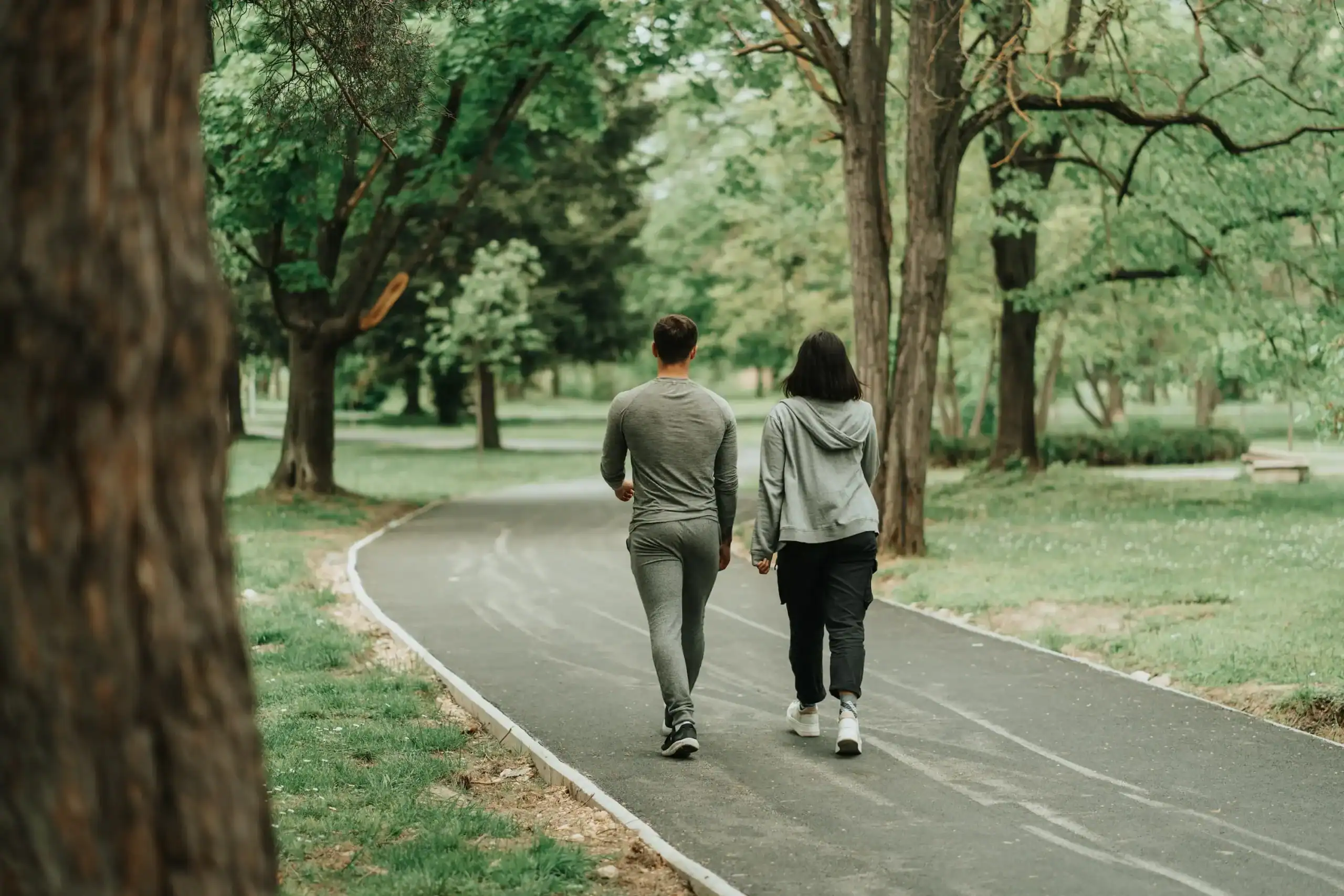
A 30-year study published in January 2026 in a sub-journal of the British Medical Journal found that simply being active, regardless of the type of exercise, lowers the risk of death compared to those who don’t exercise. Walking, in particular, is a highly cost-effective longevity exercise.
Various exercises in reducing all-cause mortality risk:
Walking: 17%;
Tennis/Squash: 15%;
Rowling/Aerobics: 14%;
Strength training: 13%;
Running: 13%;
Jogging: 11%;
Climbing stairs: 10%;
Cycling: 4%.
A study published in November 2024 in the British Journal of Sports Medicine also showed that after age 40, even for those with the lowest activity levels, walking for 111 minutes daily at a pace of 4.8 km/h (approximately 11,000 steps), or engaging in equivalent amounts of other exercise, could extend lifespan by 11 years.
Note:
The recommended daily step count of 11,000 steps is just a rough estimate. Individuals should adjust the amount of exercise according to their own circumstances. For example, for the elderly and other special groups, 7,000 to 8,000 steps per day is sufficient; it’s not advisable to excessively pursue a high step count.
Secondly, regardless of the type of exercise, if knee pain persists for more than 2 hours after exercise, it indicates overexertion, and the intensity should be reduced.
Brisk Walking Checklist: Just follow these guidelines.
Correct Brisk Walking Posture:
Stride Length: When brisk walking, the stride length should be slightly longer than normal walking, about half a foot’s width longer.
Gait: Be light and graceful. The knee should be slightly bent when the foot lands, and the transition from heel to toe should be smooth, with the body’s center of gravity shifting quickly.
Before starting brisk walking, you can do some leg kicks and stretches, focusing on the lower limbs and supplementing with the upper limbs, to help warm up. Throughout the brisk walking process, keep your upper body upright and swing your arms naturally.
Incorrect Posture:
Walking with a hunched back: Easily causes lower back pain, back pain, and hamstring pain.
Walking with a protruding stomach: Increases pressure on lower limb joints.
Walking with dragging feet: Increases pressure on the arches of the feet and damages shoes.
Recommended Walking Speed: At least 120 steps per minute. This helps increase heart rate and activate cardiopulmonary function.
Caution: While walking fast has many benefits, everyone must walk within their limits. Avoid blindly pursuing speed, as this can lead to sports injuries such as falls, sprains, and strains.
Recommended Walking Duration:
During brisk walking, maintain a feeling of shortness of breath and slight sweating for at least 20-30 minutes to ensure the benefits to your cardiovascular system. Aim for 3-6 brisk walking sessions per week.
Brisk Walking Exercise Time:
Brisk walking is fine in the morning or evening, as long as your knees stay warm. However, if you brisk walk after a meal, rest for 30 minutes to an hour before starting.
Common Misconceptions:
Walking on an empty stomach: Blood sugar is at its lowest when fasting. Continuous walking depletes glycogen stores, easily leading to a drop in blood sugar and discomfort.
Eating too much: This puts a strain on the digestive system. Eating immediately after exercise also increases this burden.
Health Tip: When brisk walking, it’s best to choose quiet, clean places away from roads, such as parks or stadiums. Ideally, use a flexible rubber track and choose athletic shoes with air cushioning to help reduce the impact of exercise.
Incorporating this movement into your walk: Helps relax your neck and shoulders
Raising your arms while walking: Relaxes your neck and shoulders
Prolonged periods of looking down easily cause neck and shoulder muscle fatigue. While walking, you can extend your arms upwards and to the sides to help relax your neck and shoulders.
For those with an exercise background, in addition to aerobic exercises like walking, you can add strength training, ball sports, and flexibility exercises to your weekly exercise plan to gain more benefits.
Strength Training: Prevents Muscle Loss
Examples include dumbbell exercises, squats, push-ups, and sit-ups, which help strengthen muscles and prevent muscle loss.
Ball Sports Training: Full-Body Exercise
Sports such as badminton and table tennis are full-body exercises that improve coordination and reaction time, helping to enhance cognitive function and slow cognitive decline.
Flexibility Exercises: Stretches Muscles
Examples include yoga, Tai Chi, and stretching exercises, which help relax fascia and stretch muscles.
More Healthy Tips at worldviewss.com.
About the Author